Team AI skills training in Singapore works best when it follows a clear plan: identify the tasks AI can speed up, choose the right staff, check funding, schedule hands-on training, and measure results afterwards. This five-step approach helps HR and L&D managers turn a training day into lasting changes in how the team works.
Many companies book corporate AI training in Singapore because they know they need to upskill in AI, but without a plan the new skills fade within weeks. The steps below show how to prepare before training and what to do after it, so the investment pays off.
Step 1: Identify the Content Tasks AI Can Speed Up
Start with the work, not the tool. List the recurring content tasks your team handles each week and estimate how long each takes. Common examples include:
- Writing social media captions and posts
- Drafting product descriptions, newsletters and web copy
- Designing simple graphics, posters and presentation visuals
- Editing short videos for social platforms
- Summarising reports, meeting notes or customer feedback
Highlight the tasks that are repetitive, time-consuming or often delayed. These are where AI training will show the fastest results, and they give you a baseline to measure against later.
Step 2: Choose Who to Send First
Not everyone needs to be trained at once. Start with the people who produce the most content or who influence how others work. This usually includes marketing executives, communications staff, sales support teams and business owners in smaller companies.
Sending two or three people together is often more effective than sending one. They can support each other after the course, share prompts and templates, and help colleagues pick up the new workflow. Check that each person meets the course entry requirements, which include basic computer skills, workplace English and at least one year of working experience using computers.
Step 3: Check Your Company’s Funding Eligibility
Funding can reduce the cost of team AI training significantly, so check it before you set a budget. For the WSQ Transforming Content Creation with AI course, the published fees for SME-sponsored employees are:
| Employee type | Base fee | Funding applied | Final cost per employee |
| Singapore Citizen or PR | $988 | 70% subsidy (–$691.60), then SFEC of up to 90% of the remaining cost (–$266.76), plus GST of $88.92 | $118.56 |
| E-Pass, S-Pass or Work Permit holder | $988 | SFEC of up to 90% of the remaining cost (–$889.20), plus GST of $88.92 | $187.72 |
According to Enterprise Singapore, eligible employers receive a one-off SkillsFuture Enterprise Credit of $10,000 to cover up to 90% of out-of-pocket expenses on qualifying costs. Eligible employers are notified directly and do not need to apply. The credit’s validity was extended to the second half of 2026, so confirm your balance and claim deadline before booking.
Employers can also claim Absentee Payroll funding of S$4.50 per hour of attended training, capped at S$100,000 per organisation per calendar year. Before applying for funding, you can confirm your company is up to date with Skills Development Levy payments using our SDL payment compliance checker.
Step 4: Schedule In-Person, Hands-On Training
Once you know who is attending and how it will be funded, book the training dates. The course runs for 16 hours over two days in a classroom at Kaki Bukit. In-person training helps teams stay focused, ask questions as they go, and practise on real company examples with a trainer beside them.
To get the most from the session, ask each attendee to bring:
- Two or three real content tasks from their current workload
- Examples of your brand voice, such as past posts or approved copy
- Any brand guidelines or visual assets they are allowed to use
This way, the content your team creates in class can be used at work straight away. For group bookings, contact our corporate training team to plan dates and funding paperwork.
Step 5: Roll Out the Skills and Measure Results
Training only creates value if the new skills are used. In the first month after the course, set up a simple rollout plan:
- Ask attendees to share their best prompts and templates with the wider team.
- Agree on a review step so every AI-assisted piece is checked before publishing.
- Set clear rules about which tools are approved and what data must never be entered.
- Revisit the task list from Step 1 and record how long each task now takes.
- Hold a short review after 30 and 90 days to share results and fix problems.
Measure outcomes that matter to the business, such as time saved per task, number of pieces published, turnaround time for campaigns, or enquiries generated. These figures make it easier to justify training more staff later.
Why Planned AI Upskilling Matters
AI skills are quickly becoming standard expectations at work. The World Economic Forum’s Future of Jobs Report 2025 found that 85% of employers plan to prioritise upskilling their workforce, and 77% plan to reskill and upskill staff to work alongside AI. Companies that plan their AI training carefully are better placed to keep that capability in-house.
HR Checklist for Team AI Skills Training
Use this table as a quick planning tool before you book.
| Planning step | What to confirm | Done? |
| Task audit | Recurring content tasks listed with time estimates | ☐ |
| Attendees | Two to three staff selected and entry requirements checked | ☐ |
| Funding | Subsidy tier, SFEC balance and Absentee Payroll confirmed | ☐ |
| Compliance | SDL payments up to date | ☐ |
| Scheduling | Training dates booked and workload covered | ☐ |
| Preparation | Attendees bring real tasks and brand examples | ☐ |
| Rollout | Prompt sharing, review step and tool rules agreed | ☐ |
| Measurement | 30-day and 90-day reviews scheduled | ☐ |
For more on the booking process itself, read our earlier guide on how corporate AI training works for Singapore teams.
Frequently Asked Questions
How many staff should we send for team AI skills training?
Start with two or three people who produce the most content. They can then share templates and support colleagues, which spreads the skills more quickly.
Can our company use SFEC for this course?
Eligible employers can use SkillsFuture Enterprise Credit to offset up to 90% of out-of-pocket course fees on qualifying courses, subject to their remaining credit and the scheme’s validity period.
Where is the training conducted?
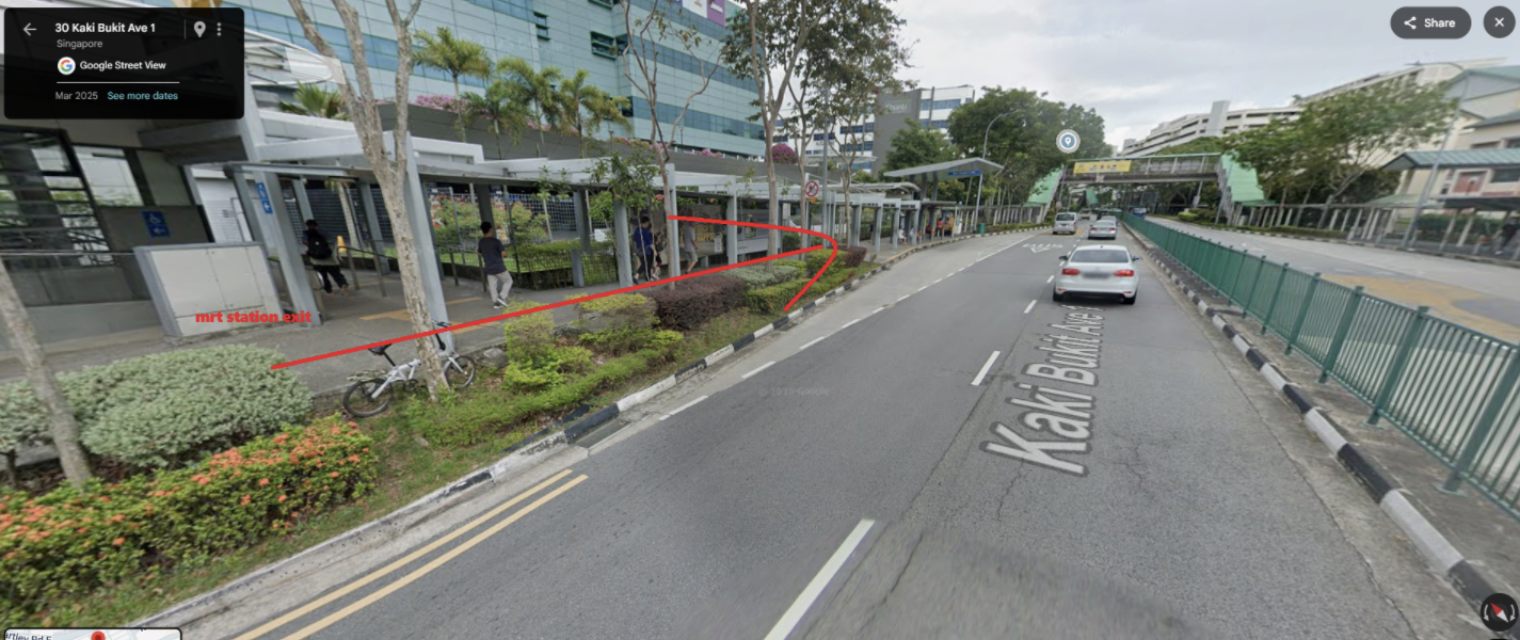
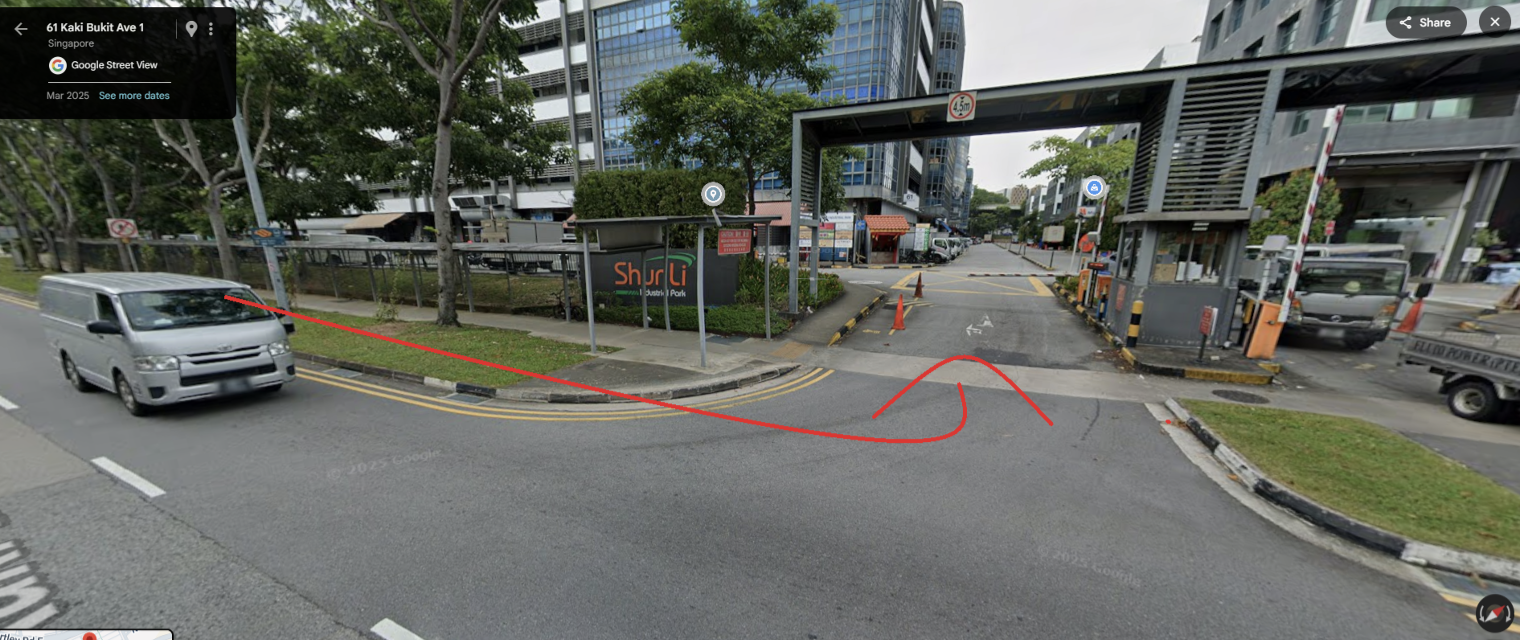
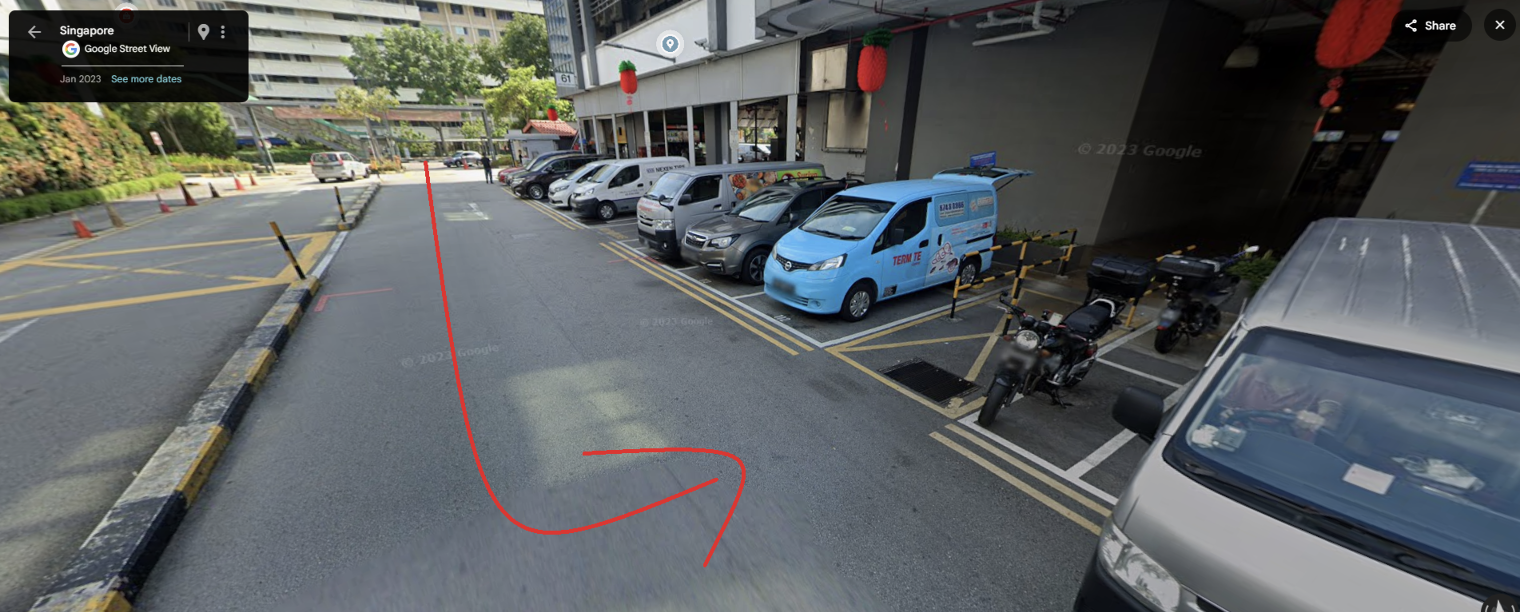
The training is conducted in person, in a classroom at 61 Kaki Bukit Avenue 1, over two days.
What will staff be able to do after the course?
Staff will be able to research trends, plan content, and produce text, graphics and short videos using AI tools, then review and improve that content using feedback and data.
How do we measure the return on AI training?
Compare how long key tasks took before and after training, and track output and business metrics such as campaign turnaround time or enquiries generated.
Conclusion: Plan First, Then Train
Team AI skills training in Singapore delivers the best results when it is planned around real tasks, funded efficiently and followed by a clear rollout. With these five steps, HR and L&D managers can turn two days of training into lasting productivity gains.
To see how the workflow applies to content strategy, read our guide to boosting efficiency and content strategy with generative AI Boosting Efficiency and Content Strategy with Generative AI: A Practical Workflow for Singapore Marketers. When you are ready to plan a session, visit Websentials Academy to get started.
REFERENCES:
- Enterprise Singapore. (n.d.). SkillsFuture Enterprise Credit (SFEC). Enterprise Singapore. https://www.enterprisesg.gov.sg/sfec
World Economic Forum. (2025). The Future of Jobs Report 2025. World Economic Forum. https://www.weforum.org/publications/the-future-of-jobs-report-2025/