Corporate AI training in Singapore is easier to approve when you present it as a business case rather than a training request. A strong case shows management which content tasks AI can speed up, how much time the team could save, what funding is available, how the training will be scheduled, and how you will measure results afterwards.
Many HR and L&D managers know their teams need AI skills, but the request stalls because it arrives as “we should send people for AI training.” Management wants to see the problem, the cost, the expected return and the risk. This guide shows you how to put those pieces together on one page.
Why Management Is Asking About AI Skills Now
AI is no longer a side project in most workplaces. The World Economic Forum’s Future of Jobs Report 2025, based on a survey of more than 1,000 employers, found that 85% of employers plan to prioritise upskilling their workforce and 77% plan to reskill and upskill staff to work alongside AI. The same report estimates that 39% of workers’ core skills will change by 2030.
For a Singapore team, this usually shows up in a familiar way: content demands keep rising while headcount stays the same. Social posts, product copy, newsletters, proposals and presentation visuals all compete for the same few people. Applying artificial intelligence in business is one of the few levers that increases output without adding staff, which is exactly the argument management needs to hear.
Part 1: Define the Problem in Business Terms
Start by describing the cost of the current way of working. Avoid general statements such as “we need to be more efficient.” Instead, list the recurring content tasks your team handles and estimate the time each one takes per month.
Useful tasks to include:
- Writing social media captions and campaign copy
- Drafting newsletters, web pages and product descriptions
- Designing simple graphics, posters and slides
- Editing short videos for social platforms
- Summarising reports, meeting notes or customer feedback
Total the hours. Even a small team often spends 40 to 80 hours a month on these tasks. That figure becomes the baseline for your business case, and the reference point you will measure against after training.
Part 2: Estimate the Time AI Could Save
Next, show management where the savings would come from. Be conservative, because a cautious estimate is more credible than an ambitious one. For each task, estimate what share of the work AI could speed up, such as producing first drafts, generating visual variations or repurposing one piece of content into several formats.
| Content task | Hours per month now | Realistic time saved | Hours saved per month |
| Social captions and copy | 20 | 30% | 6 |
| Newsletters and web copy | 15 | 25% | 3.75 |
| Graphics and slides | 15 | 30% | 4.5 |
| Short video edits | 10 | 20% | 2 |
| Total | 60 | 16.25 |
Replace the sample figures with your own. Multiply the hours saved by an average hourly staff cost to show the monthly value of time released. Then explain what the team will do with that time, such as running more campaigns or improving content quality, so the saving reads as capacity gained rather than a reason to cut roles.
Part 3: Show the Real Cost After Funding
Management will ask what the training costs. In Singapore, the answer is often much lower than the headline course fee, because several funding schemes can apply to WSQ-accredited courses for eligible companies.
Points to cover in your case:
- Course fee subsidies for Singapore Citizens and PRs on eligible WSQ courses
- SkillsFuture Enterprise Credit (SFEC): according to Enterprise Singapore, eligible employers receive a one-off S$10,000 credit that can cover up to 90% of out-of-pocket costs for supported programmes, and do not need to apply because eligible companies are notified directly
- Absentee Payroll funding of S$4.50 per hour of attended training, capped at S$100,000 per organisation per calendar year
The current SFEC has a fixed end date, so confirm your company’s balance and claim deadline before you book. For the wsq transforming content creation with ai course, the published fees and the nett fee for SME-sponsored employees are listed on the course page. Use those figures in your case rather than estimates.
Part 4: Explain How Training Will Be Scheduled
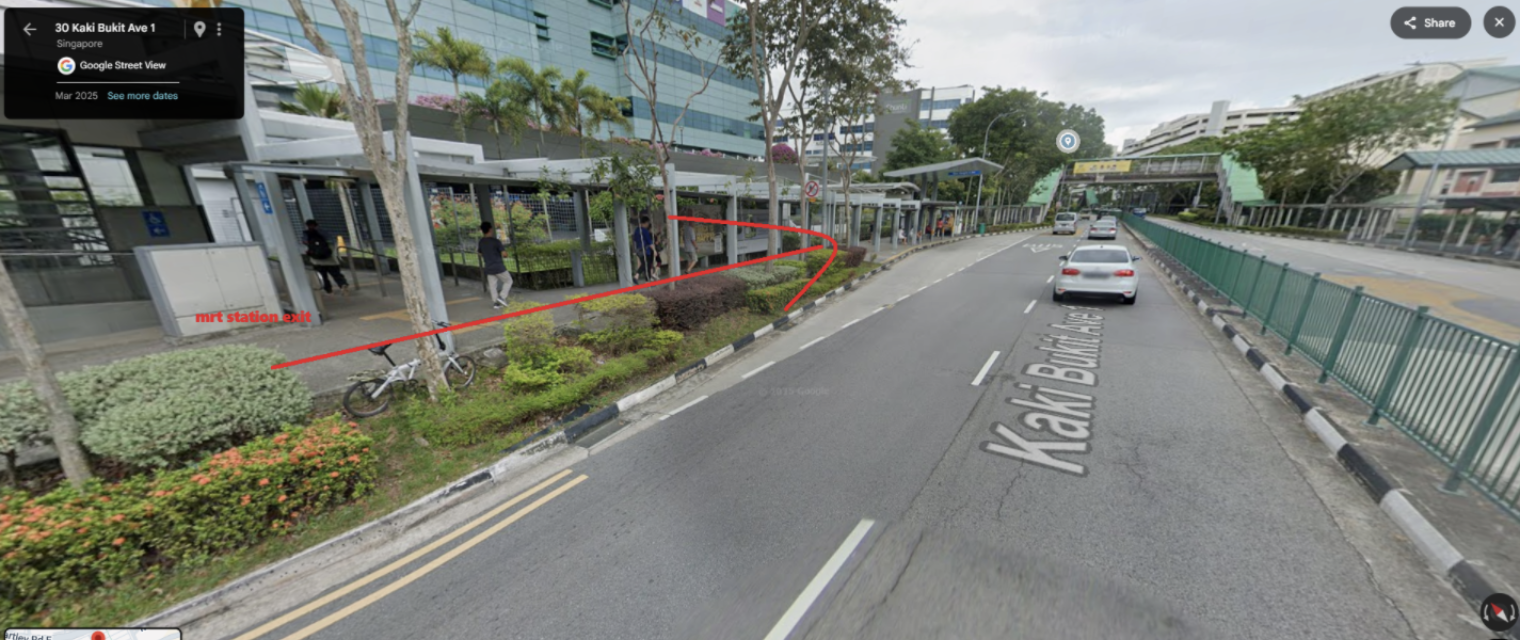
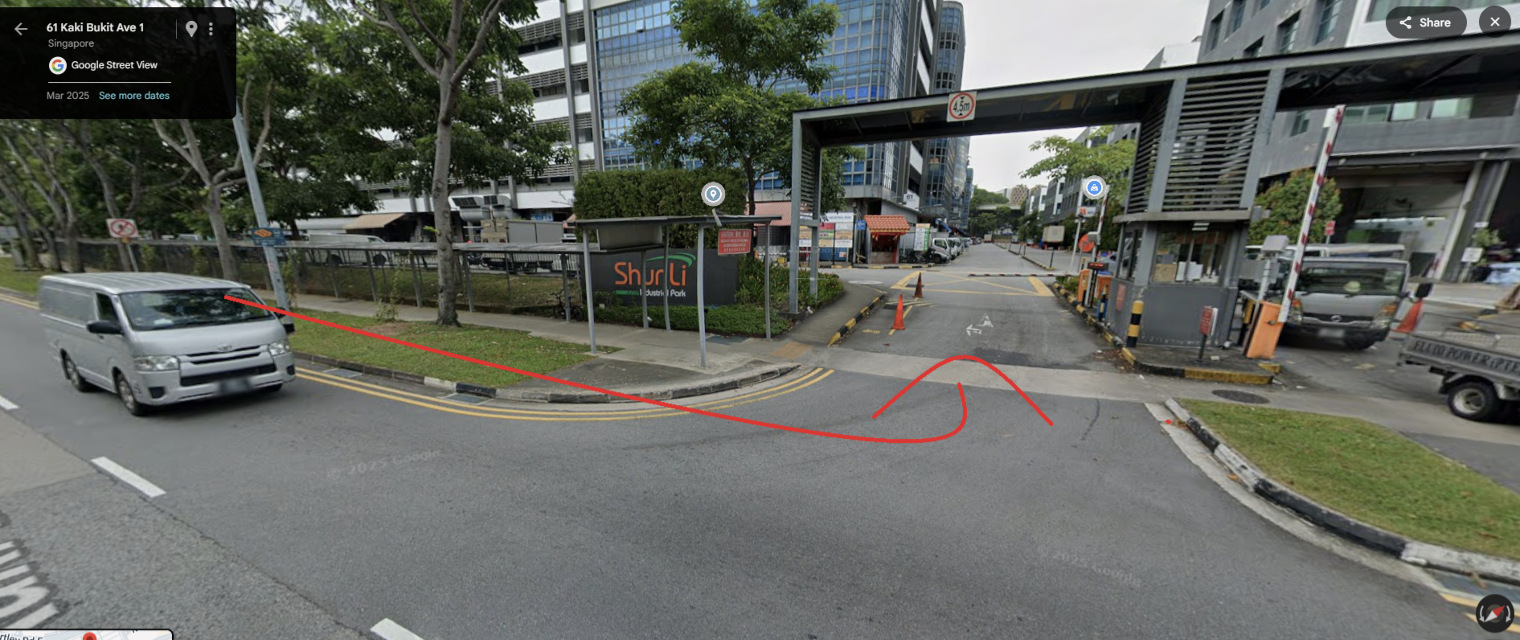
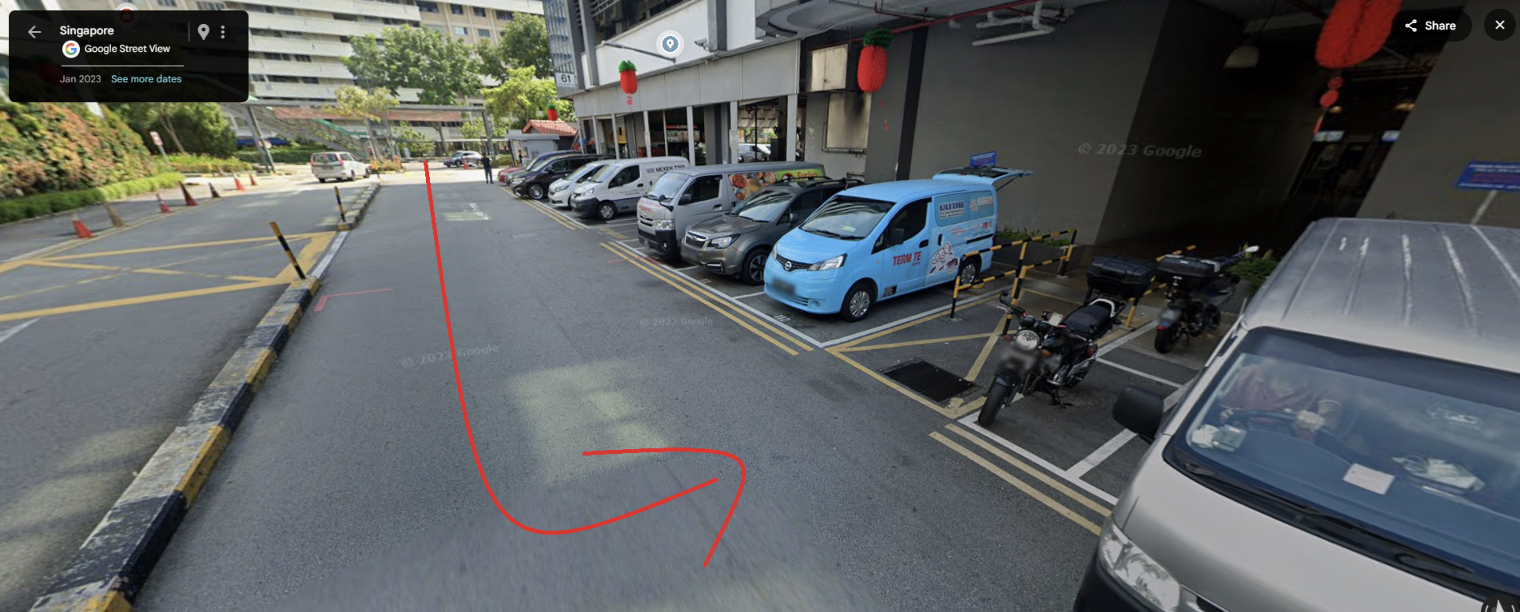
Management often worries about lost working time. Show that you have planned for it. The course runs for 16 hours over two days, in person at our Kaki Bukit classroom, so staff are away for two working days per run.
Make the schedule easy to approve:
- Send two or three staff per run rather than the whole team at once.
- Choose dates outside peak campaign periods.
- Arrange cover for urgent tasks during the two days.
- Ask attendees to bring real work tasks, so the content they create in class can be used straight away.
In-person training also helps your case. Staff stay focused, ask questions as they work, and get direct feedback from a trainer rather than watching videos alone. For group bookings and dates that suit your team, speak with our team ai skills training singapore team.
Part 5: Commit to Measuring Results
The strongest business cases promise measurement. Tell management exactly how you will track results after the course:
- Re-time the same content tasks from Part 1 after 30 and 90 days
- Track output, such as posts, pages or campaigns published per month
- Track turnaround time from brief to approved content
- Record quality checks, such as revisions needed before approval
These results make it easier to upskill AI capability across more of the team later.
One-Page Business Case Template
Copy this structure into your proposal and fill in your own figures.
| Section | What to include |
| Problem | Content tasks, hours per month and current bottlenecks |
| Opportunity | Estimated hours saved per month and their value |
| Proposed training | Course name, format, duration and number of staff |
| Cost after funding | Nett fee per staff member, SFEC and Absentee Payroll |
| Schedule | Training dates, attendees and cover arrangements |
| Measurement | Metrics tracked at 30 and 90 days |
| Decision needed | Approval for budget and dates |
Before booking, it also helps to know how individual learners evaluate the course. Our guide to the ai content creation course singapore AI Content Creation Course in Singapore: 12 Questions Learners Ask Before Enrolling (Answered) answers the questions your staff are likely to ask.
Frequently Asked Questions
How do I justify the cost of corporate AI training to management?
Show the hours your team spends on content tasks, estimate the time AI could save, and present the nett cost after funding. Commit to measuring results after 30 and 90 days.
Can SkillsFuture Enterprise Credit be used for AI training?
Eligible employers can use SFEC to offset up to 90% of out-of-pocket costs for supported courses, subject to their remaining credit and the scheme’s deadline.
How many staff should we train first?
Start with two or three people who produce the most content. They can share prompts and templates with colleagues after the course.
How long will staff be away from work?
The course runs for 16 hours over two days, so each attendee is away for two working days.
What results should we expect after training?
Common results include faster first drafts, more content published per month and shorter turnaround times. Track these against your pre-training baseline.
Conclusion: Make the Decision Easy
Corporate AI training in Singapore gets approved faster when management can see the problem, the savings, the nett cost and how results will be measured, all on one page. Use the template above, fill in your own figures, and present training as an investment in team capacity.
When you are ready to compare options, visit Websentials Academy to explore our ai courses and plan your first team session.
REFERENCES:
- World Economic Forum. (2025). The Future of Jobs Report 2025. World Economic Forum. https://www.weforum.org/publications/the-future-of-jobs-report-2025/
- Enterprise Singapore. (n.d.). SkillsFuture Enterprise Credit (SFEC). Enterprise Singapore. https://www.enterprisesg.gov.sg/sfec