When a company decides to upskill a whole team in AI, the first question is almost always logistical: how does booking actually work, and what will the day look like? If you’re an HR or L&D lead weighing up options, here’s a plain walkthrough of what to expect when you book a corporate AI training session with us — from first enquiry through to the session itself.
Why Companies Are Choosing In-Person Over Online Modules
Online AI courses are everywhere, but completion rates for self-paced corporate training are notoriously low — employees start strong and quietly stop logging in once daily work takes over. In-person sessions solve this by design: a scheduled date, a physical room, and a trainer in front of the team creates the kind of accountability that a video library simply can’t. It also means questions specific to your industry get answered live instead of going unanswered in a forum.
How the Group Booking Process Works
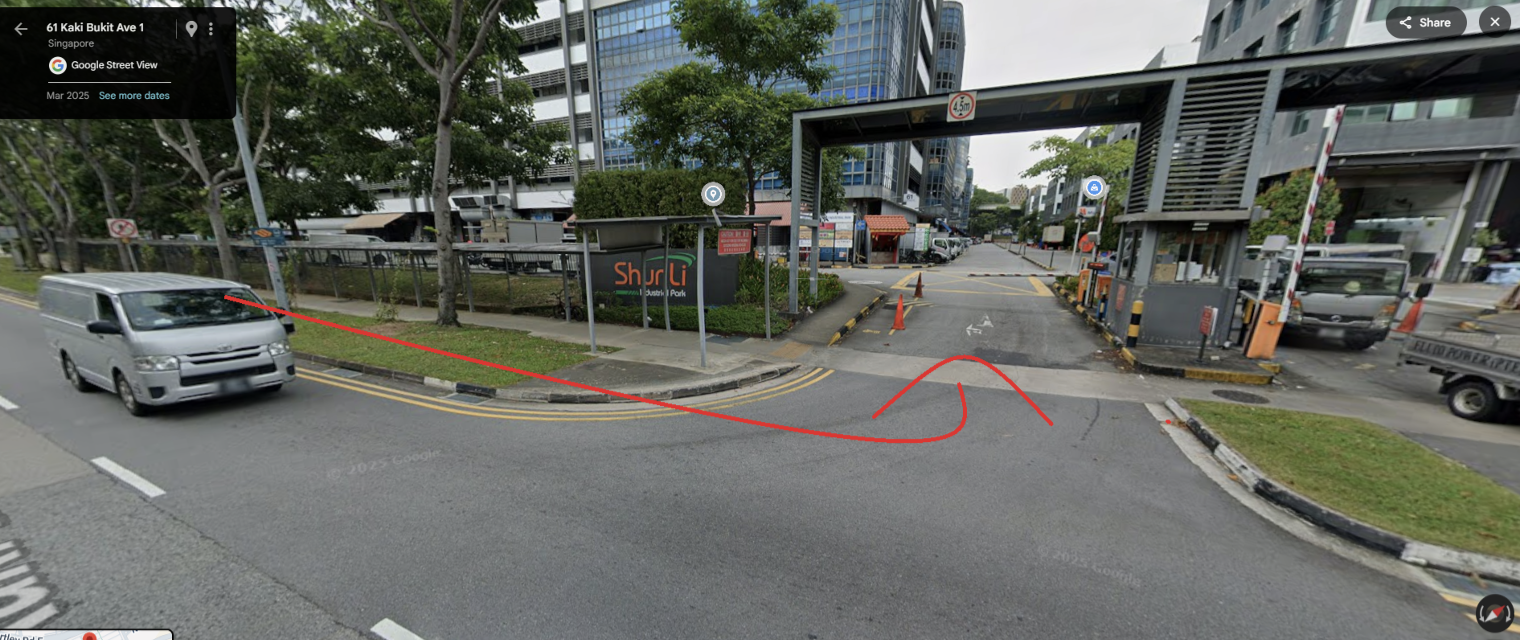
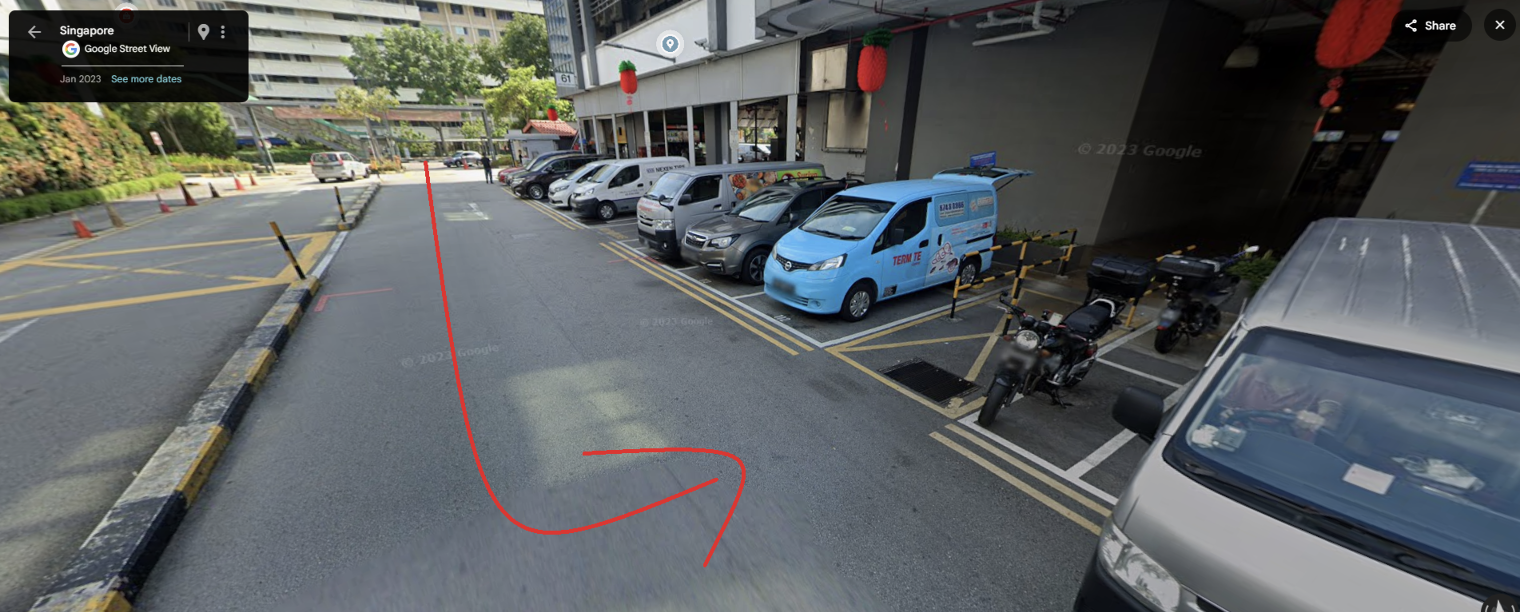
Booking starts with a short conversation about your team size, current AI familiarity, and what you want the session to achieve — content creation, general AI literacy, or something more specific to your workflows. From there, we confirm a date, venue details, and headcount, and walk you through which funding schemes your company may qualify for. Most companies find this initial step takes far less time than they expect.
Funding Support for Companies
Singapore-registered companies training their staff may be eligible for course fee funding and absentee payroll support, which can meaningfully reduce the out-of-pocket cost of sending a team for training. Eligibility depends on company size and the specific scheme, so it’s worth confirming this during your initial enquiry rather than after the session is booked.
What’s Covered in a Team Session
A typical corporate session focuses on practical AI use for content and communication tasks — drafting, editing, and reviewing written material more efficiently, along with guardrails for accuracy and brand tone. It’s the same practical foundation covered in our our course listings, adapted to a group format so an entire department can build the same baseline skill level together rather than a few individuals learning ad hoc.
Who Should Book a Corporate Session vs. an Individual Course
If you’re sending three or more staff, a dedicated team session is usually more cost-effective and easier to schedule around work commitments than individual enrolments. If it’s just one or two people, or if their roles differ significantly, individual enrolment may fit better — it’s worth reading through see who this course suits to compare the two paths before deciding.
Setting Expectations for the Day
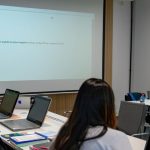
Sessions are hands-on rather than lecture-style. Expect staff to work on real examples from your own business wherever possible — a product description, an internal memo, a social caption — rather than generic practice material. This is deliberate: skills that get applied to real work in the room are far more likely to stick once staff are back at their desks the next day.
Measuring the Impact Afterward
Given how quickly AI and data skills are climbing the priority list for employers globally, according to recent workforce research, most L&D teams now track a simple before-and-after measure — time spent on routine content tasks, or confidence using AI tools day to day — rather than a formal test. We’re happy to suggest a lightweight way to track this if it’s useful for your internal reporting.
Common Concerns HR Teams Raise Before Booking
A few questions come up in almost every enquiry. The first is whether the training will actually stick once staff are back at their desks — which is exactly why sessions use real work examples rather than generic exercises, so the skill is anchored to something staff will use again the following week. The second is whether a single session is “enough,” and the honest answer depends on the goal: a foundational session builds a consistent baseline across the team, while more advanced follow-up sessions can be scheduled separately once that baseline is in place. The third is disruption to the working day — most companies find a half-day or full-day format easier to schedule around existing commitments than trying to spread training across several shorter sessions.
Choosing Between a Standalone Session and an Ongoing Arrangement
Some companies book a single session to establish a baseline across a department; others prefer a recurring arrangement, particularly if they’re onboarding new hires regularly or if AI tools and internal processes are still evolving. Neither approach is inherently better — it depends on how central AI-assisted content work is to your team’s day-to-day output, and how much staff turnover you’re managing. Raising this during your initial enquiry helps us recommend a format that fits, rather than defaulting to a one-size-fits-all session.
What Different Departments Tend to Focus On
Not every department uses AI content skills the same way, and sessions are adjusted accordingly rather than run as a single generic template. Marketing teams tend to focus on campaign copy and social content at volume; customer service teams often prioritise drafting consistent, on-brand responses quickly; and operations or admin staff usually care most about internal documentation and reporting. Flagging which of these applies most to your team ahead of time helps the trainer weight the session toward the examples that will be most useful on the day.
Preparing Your Team Before the Session
A short amount of preparation goes a long way. Asking staff to bring one or two real examples of content they regularly produce — an email template, a product listing, a report summary — means the session can work with material that’s immediately relevant, rather than generic practice text. Companies that do this small step beforehand consistently report that staff engagement during the session is noticeably higher.
Frequently Asked Questions
What’s the minimum team size for a corporate session?
There’s no strict minimum, but sessions are generally most cost-effective for groups of three or more.
Can the session be run at our own office instead of your venue?
This depends on group size and scheduling — raise it during your initial enquiry and we’ll confirm what’s possible.
Do all attendees need the same level of AI experience beforehand?
No. Sessions are designed to work for mixed-experience groups, though very large skill gaps within one group are worth flagging in advance.
Is corporate training eligible for the same funding as individual courses?
Company-sponsored training may be eligible for different schemes than individual funding, so eligibility should be confirmed per company rather than assumed.
How far in advance should we book?
As early as possible, particularly if you need a specific date to align with a broader team offsite or planning cycle.
Can we combine AI training with a broader team offsite or planning day?
Yes — many companies schedule training alongside an existing offsite to make efficient use of the day, and we’re happy to work around that structure.
What materials should staff bring on the day?
A laptop and, where possible, one or two real examples of content they regularly work on — this is the single easiest way to make the session immediately relevant.
Ready to Plan a Session for Your Team?
If you’re considering group AI training for your team, get in touch with Websentials Academy to talk through headcount, funding, and available dates.
REFERENCES:
- SkillsFuture for Business. (2026). Funding and Programmes. GoBusiness. https://skillsfuture.gobusiness.gov.sg/support-and-programmes/funding
- World Economic Forum. (2025). The Future of Jobs Report 2025. World Economic Forum. https://www.weforum.org/publications/the-future-of-jobs-report-2025/